Investing in QuantWare: Scaling the Future of Superconducting Quantum Computing
Quantum computing is entering a new phase. Across several modalities, the question is no longer whether the technology will work, but how quickly the field can build large enough systems to achieve commercial utility. Today, we are excited to announce we are investing in QuantWare’s Series B, together with other participants such as FORWARD.one, In-Q-Tel and ETF, as well as existing investors.
To deliver on its promise, quantum computing needs to move far beyond today’s systems and toward architectures that can support commercially useful workloads. In superconducting quantum computing, that challenge is increasingly shaped by physical bottlenecks such as routing, interconnect density, packaging, and manufacturability, not just by the ability to fabricate better qubits.
Recent progress across the ecosystem has been impressive, but larger superconducting systems remain difficult to build. Every increase in scale adds pressure to the underlying wiring and integration stack, making scaling a systems and packaging problem as much as a device-level one.
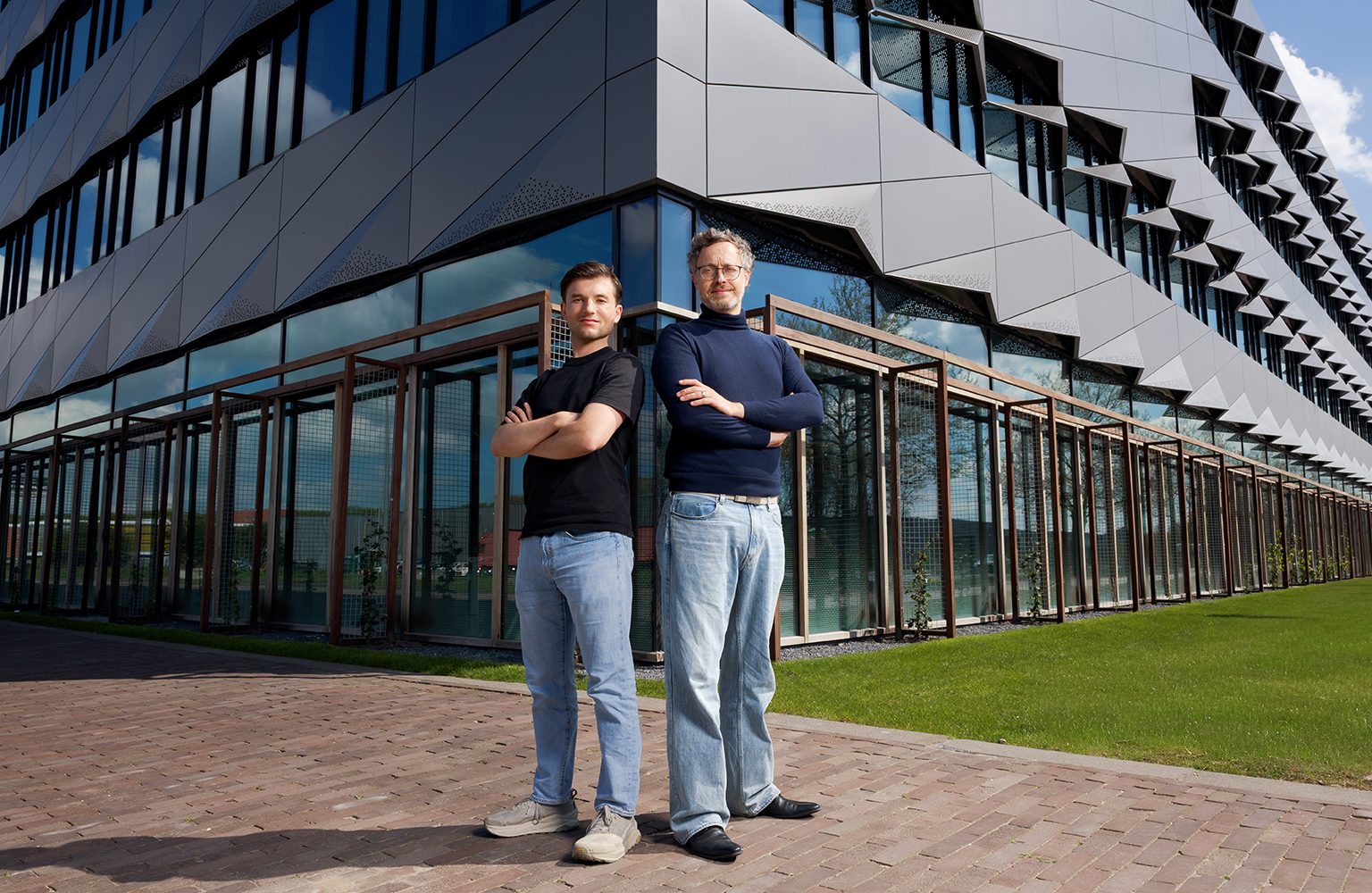
That is what makes QuantWare so compelling. Matt Rijlaarsdam and Alessandro Bruno set out to address the scaling challenge in superconducting quantum computing, and they’re delivering. QuantWare’s VIO architecture is a QPU architecture designed to remove key bottlenecks in superconducting QPUs with a roadmap toward 10,000-qubit-class processors by 2028 and orders of magnitude potential beyond that.
But VIO isn't just a tool for QuantWare to continue scaling its growing QPU business. VIO was designed to be the first horizontal scaling solution for the ecosystem, enabling teams anywhere to benefit from this architecture without requiring a single integrated stack.
The next phase of quantum computing will be defined by the companies that can remove the physical barriers standing between promising research and commercially relevant systems. Matt, Alessandro, and the rest of the team are taking aim at one of the most important of those barriers, and we are proud to support them as they work to make superconducting quantum computing a commercial reality.